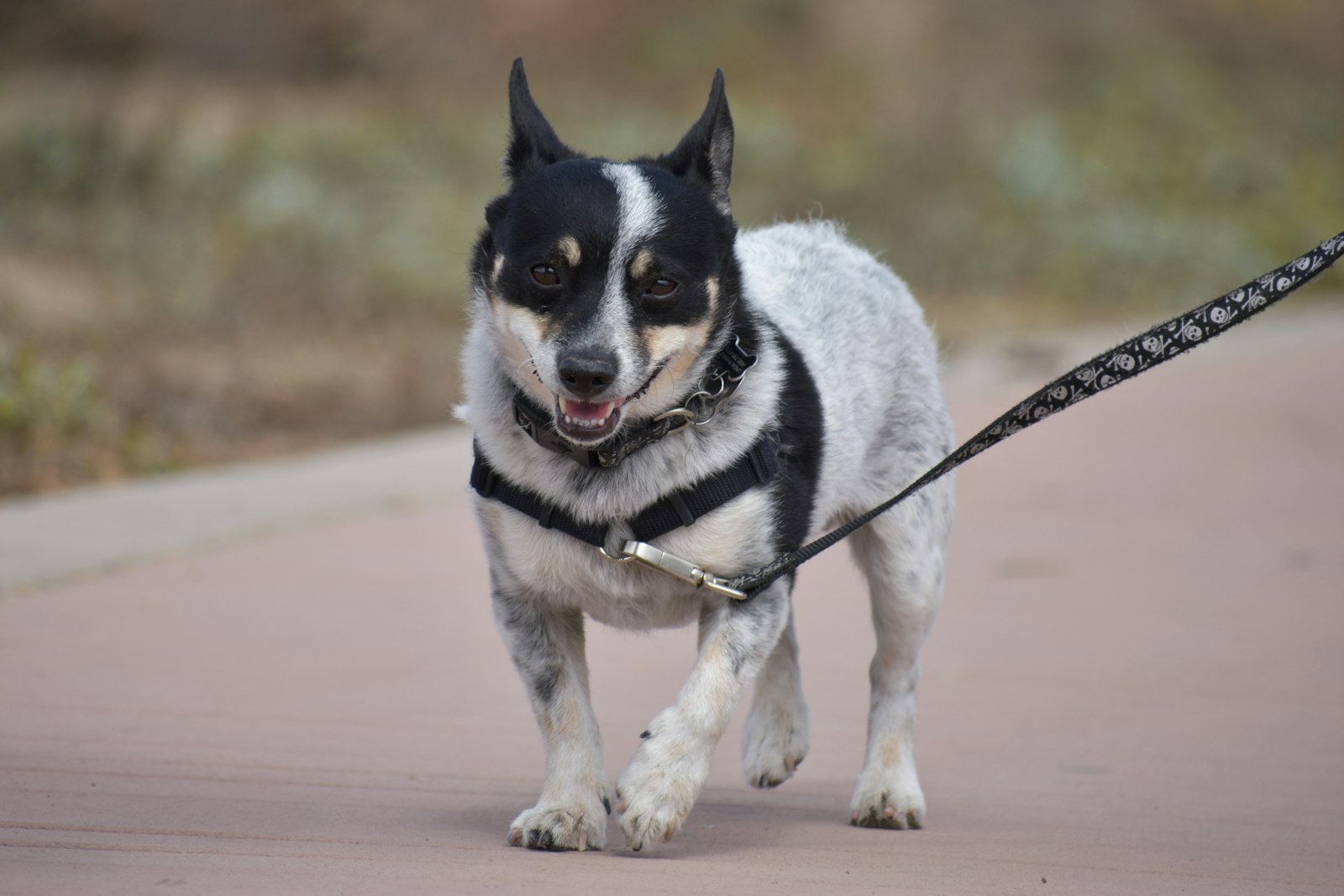
Choosing dog grooming in Gilroy is not just about finding the nearest salon or grabbing the first open appointment. What matters more is whether the groomer is a good fit for your dog’s coat, age, temperament, and comfort level.
That distinction matters. A grooming visit can include bathing, brushing, drying, clipping, nail trims, ear cleaning, and handling around sensitive areas. Some dogs take all of that in stride. Others get tense, overstimulated, or worn out if the experience is rushed or poorly matched to their needs.
The good news is that picking the right groomer gets easier once you know what to pay attention to. Instead of judging by photos alone, focus on the things that shape your dog’s actual experience, including handling style, communication, cleanliness, pacing, and whether the services make sense for your dog.
Start with your dog’s needs
Before comparing groomers, take a step back and think about your own dog. A young, easygoing short-coated dog may only need a bath, nail trims, ear cleaning, and occasional deshedding. A doodle, poodle mix, shih tzu, or similar coat type may need regular haircuts and more coat care between visits. A senior dog may need gentler handling, a slower pace, and breaks during longer appointments.
Some dogs also need a very specific environment. A nervous rescue dog, a puppy still learning to be handled, or a dog with a history of bad grooming experiences may do better with a quieter setup and a patient groomer who does not push too hard too fast.
That is why the best groomer is not always the most popular or the most convenient. It is the one whose process fits your dog.
If your dog struggles with brushing, hates nail trims, panics around dryers, or gets overwhelmed by noise and activity, those details matter. The same goes for skin sensitivity, matting, mobility issues, or a history of stress during grooming. The clearer you are about your dog’s starting point, the easier it is to avoid a mismatch.
Look for calm, clear communication
One of the best signs of a solid grooming business is clear communication from the start. You should be able to understand what is included, how long the appointment may take, whether your dog will be kenneled or worked straight through, and what the groomer wants to know before the visit.
A good groomer should also ask useful questions. They may want to know about your dog’s coat condition, behavior, health concerns, age, grooming history, and any problem areas. That is not just good customer service. It is part of safe handling.
For example, a groomer should want to know if your dog has trouble standing for long periods, resists having feet touched, has ever been nicked before, or becomes fearful in unfamiliar settings. They should also be honest if a coat is badly matted, if a requested haircut is not realistic, or if a puppy would be better off with a gradual introduction rather than a full groom right away.
That kind of honest, specific communication usually means the groomer has a thoughtful process. Vague reassurance is not as useful when your dog is the one on the table.
Questions to ask before booking
You do not need to make the call feel like an interview, but a few smart questions can tell you a lot.
- How do you handle nervous or sensitive dogs?
- Do you have experience with puppies, seniors, or dogs with high-maintenance coats?
- What happens if a dog becomes too stressed to continue?
- Do you ever split grooming over more than one visit?
- How long is my dog likely to be there?
- Do you allow extra time for dogs who are new to grooming?
- What condition should the coat be in before the appointment?
- What services do you usually recommend for this breed or coat type?
- How do you handle matting?
- Will you contact me if there is a problem during the groom?
You are not looking for a perfect script. You are listening for whether the groomer sounds patient, experienced, and realistic about what your dog can handle.
Pay attention to the environment
A grooming space does not need to feel fancy to be a good choice, but it should feel clean, organized, and professionally run. A tidy reception area, a clear handoff process, clean tools, and a staff that seems attentive all matter.
Busy is normal in grooming. Chaotic is different. For puppies, seniors, and anxious dogs especially, a loud and disorganized environment can make the whole experience harder.
Many dog owners in Gilroy are looking for practical, dependable care. That is reasonable, but practical should still include calm handling and a setup that does not feel frantic. If your dog is sensitive, it often makes sense to choose a place that feels steady and structured over one that simply has the soonest opening.
Why handling style matters so much
Most owners notice the finished haircut first. The better question is how that result was achieved.
A nice trim is great, but not if your dog had to be pushed far past their comfort level to get it. Grooming depends on trust. Dogs are touched in vulnerable places, asked to stand still, brushed in tender areas, dried with unfamiliar equipment, and handled away from home. A groomer who notices stress signals and adjusts when needed is often a far better long-term fit than one who focuses only on speed or appearance.
This matters even more for puppies and dogs with a difficult grooming history. Early appointments can shape how a dog feels about grooming for years. In some cases, a slower and more patient visit is more valuable than trying to get every detail perfect in a single session.
How to prepare your dog before the appointment
Even the best groomer cannot do everything alone. Owners can make a big difference in how smoothly the visit goes.
If possible, give your dog some calm exercise before the appointment. A relaxed walk can help take the edge off without winding them up. In Gilroy, that may simply mean getting your dog out for a normal outing before drop-off instead of showing up with a dog who has been indoors for hours and is bursting with energy.
It also helps to be honest at check-in. If your dog snaps at brushes, screams during nail trims, hates face handling, or has a medical issue that affects grooming, say so clearly. That gives the groomer a better chance to work safely and set realistic expectations.
For puppies or dogs new to grooming, keep the goal reasonable. Sometimes the first visit is about building comfort, not getting a flawless haircut. A bath and tidy, a short handling session, or a low-pressure introduction may be the better starting point.
Regular brushing and gentle handling at home can help too. You do not need to do a groomer’s job, but dogs who are used to having their feet, face, and coat handled often cope better during appointments.
Signs a groomer may not be the right fit
Sometimes the clearest answer is that a groomer is simply not the best match for your dog.
If communication feels dismissive, if your concerns are brushed aside, if everything sounds rushed, or if no one seems interested in your dog’s behavior and coat condition, pay attention. The same goes for unrealistic promises, pressure to push through when a dog is clearly struggling, or vague answers about what will happen during the visit.
That does not automatically make the groomer bad. It may just mean they are not the right fit for a dog with anxiety, age-related limitations, severe matting, or handling sensitivity. Those dogs often need more patience and more planning than a standard appointment allows.
Think beyond the first appointment
The smartest way to approach dog grooming in Gilroy is to think long term. A good grooming relationship tends to get easier over time. Your dog becomes more familiar with the routine. The groomer learns your dog’s coat, behavior, and stress points. You get better guidance about scheduling, coat length, and what helps appointments go more smoothly.
That matters as dogs change. Puppies grow up. Coats change with age and care habits. Senior dogs may need more breaks or gentler handling than they used to. When you have a groomer who communicates well and adapts thoughtfully, those changes are much easier to manage.
In the end, the right groomer is not just someone who can make your dog look neat for a day. It is someone who can help make grooming feel safer, calmer, and more manageable over time. For most owners, that is the real goal: a dog who comes home clean, comfortable, and well cared for, and an experience that feels easier to trust the next time around.